




Naval Action Beginner Guide: Core Mechanics and First Battles
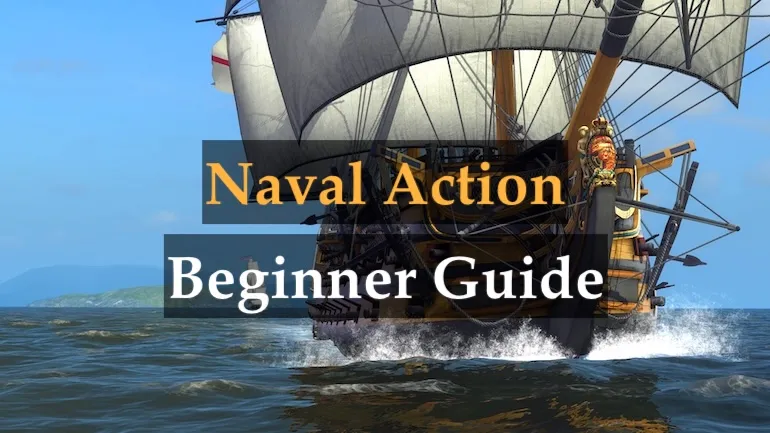
Naval Action is not a casual pirate game. It is a deep naval combat simulator where knowledge matters more than reflexes, and your first mistakes can cost you an entire ship. Many new players quit not because the game is bad — but because it never explains itself.
This beginner guide is written to help you understand how Naval Action combat works, survive your first naval battles, and avoid the most common beginner mistakes that destroy new captains in their first hours.
This guide focuses on the core naval combat systems of Naval Action as they exist in the official release and have remained fundamental throughout the game’s long-term development. It intentionally avoids temporary balance changes and short-lived meta tactics.
What Naval Action Really Is (And What It Is Not)
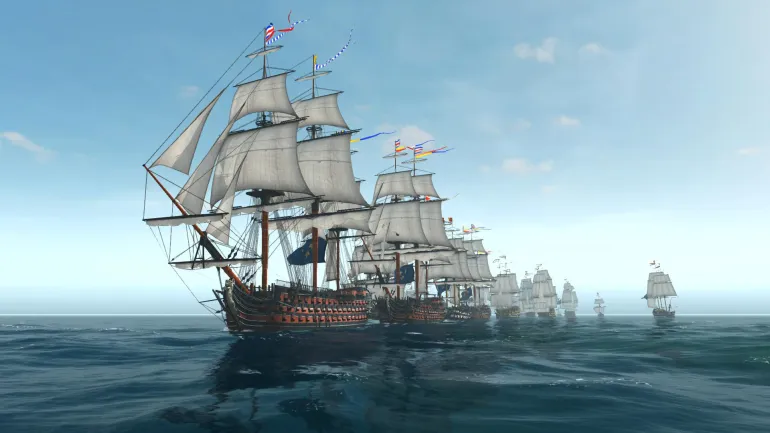
Naval Action is not an arcade naval shooter. It is a realistic age-of-sail combat simulator built around historical ships, wind physics, positioning, crew management, and ammunition choice.
From the very beginning, Naval Action was designed as a system-driven naval simulator where wind control, positioning, and preparation matter more than fast reactions. This design approach has remained consistent throughout the game’s development.
If you come from games like Assassin’s Creed Black Flag or other arcade pirate titles, your instincts will work against you. Naval Action rewards:
- Patience
- Situational awareness
- Understanding wind and firing angles
- Preparation before combat
Rushing into battle is the fastest way to lose your ship.
Core Mechanics Every Naval Action Beginner Must Understand
Wind Is Your Most Important Weapon
Wind direction affects everything: speed, turning radius, sail efficiency, disengage potential, and even survival.
Key rule: The ship that controls the upwind position usually controls the fight.
- Upwind position = better control, easier disengage
- Downwind position = higher straight-line speed, poor turning
A classic Naval Action beginner mistake is chasing an enemy downwind, only to discover that you can neither turn nor escape when the fight goes wrong.
Sails, Speed, and Crew Balance
Your sails determine speed, but speed without control is useless.
At all times, you balance crew between:
- Sailing — speed and maneuverability
- Guns — reload speed and damage output
- Repairs — long-term survivability
Common beginner mistake: Putting too much crew on guns, losing maneuverability, and getting locked broadside to the enemy.
Armor, Structure, and Where to Aim
Ships in Naval Action are not simple HP bars.
- Armor absorbs incoming damage
- Structure keeps the ship afloat
- Sails and masts control mobility
Firing randomly wastes ammunition. In your first battles, focus on demasting or slowing the enemy instead of trying to sink them immediately.
Ammunition Types: When to Use What
Using the wrong ammunition in Naval Action can lose fights you should win.
- Round Shot — best for hull and structure damage
- Chain Shot — destroys sails and reduces enemy speed
- Grape Shot — kills crew at close range
Beginner tip: Open with chain shot to cripple movement, then switch to round shot once the enemy loses control.
Your First Naval Battles: How to Survive Them
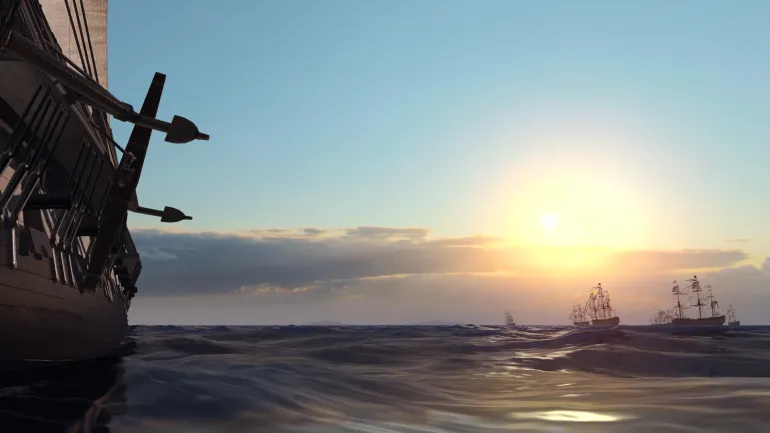
Start Small — Do Not Hunt Bigger Ships
The game allows you to engage enemies far stronger than you. That does not mean you should.
During your first hours:
- Fight ships of equal or lower rate
- Avoid multiple enemies at once
- Learn positioning before chasing kills
This is where most beginners lose their first ship.
Angle Your Hull — Never Show Full Broadside
Incoming damage is heavily affected by impact angle.
Rule: A slightly angled hull dramatically reduces damage.
Many new players sink simply because they sail perfectly broadside to the enemy for too long.
Disengaging Is a Skill, Not a Failure
Knowing when to retreat is a core Naval Action mechanic, not a weakness.
- Use wind advantage to disengage
- Preserve sails early
- Repair before you are critical
A saved ship is always more valuable than a risky kill.
First Hour Mindset: How to Progress Without Losing Ships
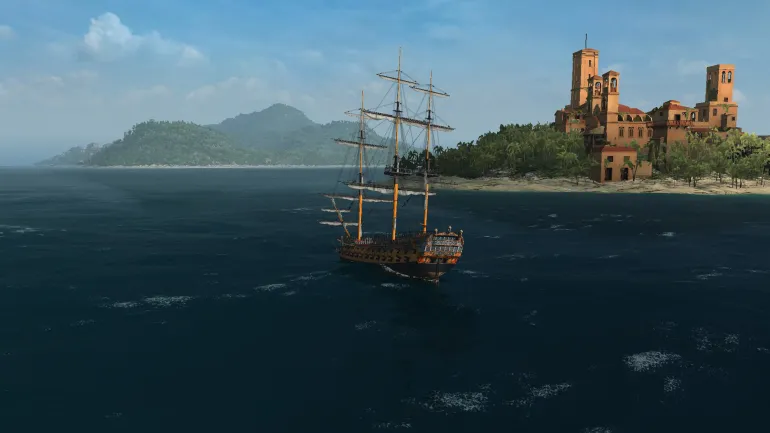
In your first 1–2 hours, your goal is not to win battles — it is to leave them intact.
Focus on learning how Naval Action sailing mechanics work, how wind affects combat, and how mistakes compound over time. Mastery comes from survival, not from aggression.
Economy and Progression: Early Stability Matters
Losing ships early hurts not only morale, but long-term progression.
Prioritize:
- Learning combat mechanics over grinding kills
- Slow, controlled ship upgrades
- Understanding repair and resupply costs
Naval Action punishes careless progression but strongly rewards players who respect its systems.
Why Naval Action Appeals to Sea Dogs–Style Players
Like classic Sea Dogs games, Naval Action is built around systems first, spectacle second. BlackMark Studio and projects like Corsairs Legacy follow a similar philosophy — deep naval mechanics, long-term mastery, and respect for age-of-sail realism — while approaching it from different gameplay angles.
If you enjoy games where knowledge equals power, Naval Action offers one of the deepest naval combat experiences available.
Final Advice for New Captains
Naval Action does not hold your hand — and that is exactly why it is worth learning.
Take your time. Learn the wind. Respect positioning.
Your first victories will feel earned — and that is when the game truly opens up.
A new pirate game is now on Steam
Buy on






 BuySteam key18$25$
The game is already available on Steam