





Tempest Beginner Guide — How to Survive, Progress, and Build a Strong Fleet
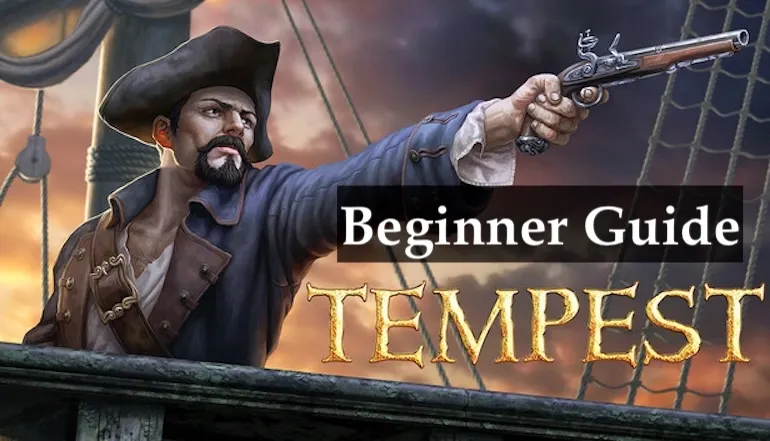
Version note: This guide is based on the current live version of Tempest: Pirate Action RPG as of 2025. Core gameplay systems described here are stable, but specific balance values, drop rates, and content availability may change with future updates.
Tempest is a pirate-themed open-world RPG focused on naval combat, exploration, and ship progression. Unlike pure action games, Tempest rewards players who understand its systems: combat flow, ship roles, resource management, and progression loops.
This beginner guide explains exactly what to do in your first hours in Tempest, how to avoid common mistakes, and how to grow from a fragile sloop into a powerful sea captain.
What Kind of Game Tempest Really Is
Tempest is not a fast arcade shooter. It is a system-driven naval RPG where:
- Positioning matters more than raw stats
- Ship choice defines your playstyle
- Preparation beats reaction
- Risk management is more important than aggression
If you rush into fights, buy random upgrades, or ignore the economy — you will struggle.
If you understand the systems — progression becomes smooth and rewarding.
Your First 30 Minutes — What to Do
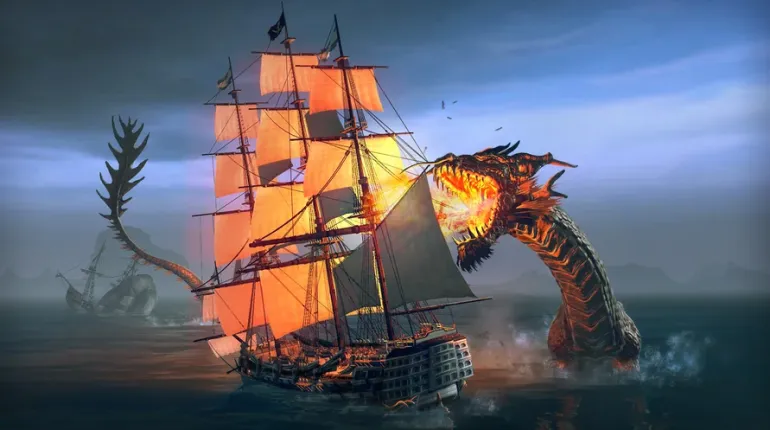
1. Choose a Balanced Starter Ship
Your first ship is weak, slow, and fragile. Your goal is not to fight everything, but to survive and build resources.
Beginner-friendly ship traits:
- Medium speed
- Decent maneuverability
- Balanced firepower
Avoid:
- Extremely slow ships
- Very glass-cannon builds early on
2. Do Starter Missions Before Free Roaming
Early missions exist for a reason:
- They teach combat timing
- They introduce enemies gradually
- They give safe gold and experience
Do 3–5 starter missions before exploring aggressively.
3. Learn Basic Combat Before Fighting Strong Enemies
Tempest combat is about:
- Controlling distance
- Managing reload timing
- Positioning relative to enemy broadsides
Do not sail straight into enemy fire. Always:
- Circle enemies
- Control your broadside angle
- Avoid frontal exchanges
How Progression in Tempest Works
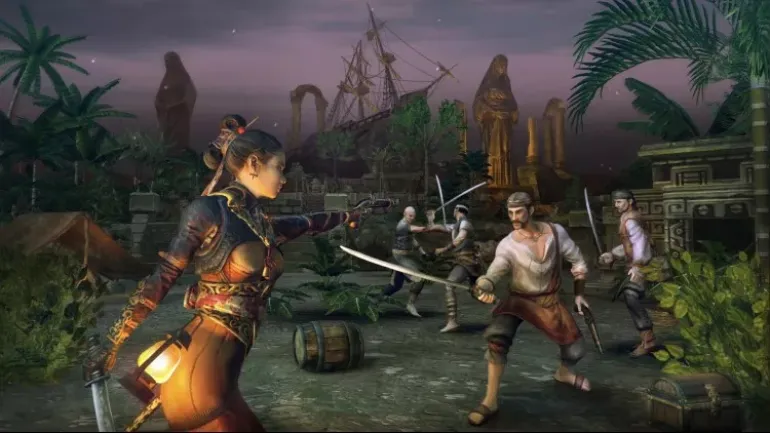
Core progression loop:
- Complete missions or battles
- Gain gold and experience
- Upgrade ship and crew
- Access stronger enemies and better loot
- Repeat at higher tier
If you skip step 3 — you will hit a wall.
Best Early Game Strategy
Farm Low-Risk Enemies First
Fight enemies that:
- Are equal or slightly weaker than you
- Appear in small groups
- Are near ports or safe zones
Avoid:
- High-tier pirate fleets
- Elite enemies
- Remote areas early on
Upgrade in This Order
- Hull durability
- Firepower
- Maneuverability
- Cargo capacity
Survivability first — damage later.
Sell What You Don’t Use
Inventory clutter kills beginners. Sell:
- Old weapons
- Low-tier upgrades
- Excess crafting materials
Gold sitting in inventory is wasted progression.
Common Beginner Mistakes
- Fighting enemies that are too strong
- Ignoring upgrades
- Hoarding useless loot
- Sailing without a plan
- Chasing story instead of building power
When to Explore Freely
Once you:
- Can defeat standard enemies easily
- Have upgraded hull and weapons
- Understand combat flow
Then exploration becomes profitable and safe. Before that — it’s punishment.
Quick Survival Checklist
- Upgrade before exploring
- Fight fair fights, not heroic ones
- Sell unused loot
- Control your positioning in battle
- Avoid high-risk zones early
Final Thoughts
Tempest is not hard — it is unforgiving to players who ignore its systems.
If you approach it thoughtfully, progress is steady and satisfying. Master your ship, manage your risks, and the seas will reward you.
This guide was prepared as part of Mauris studio's broader research and design work on naval RPG systems, conducted during the development of Corsairs Legacy. While Tempest and Corsairs Legacy are different games, both share a systemic approach to naval combat, progression, and player-driven exploration — and insights from one help inform the design philosophy of the other.

A new pirate game is now on Steam
Buy on




 BuySteam key18$25$
The game is already available on Steam